Deep-water vessel operations, ocean freight logistics, and international petroleum shipping — connecting producers, refiners, and traders across the world's most critical maritime trade routes.
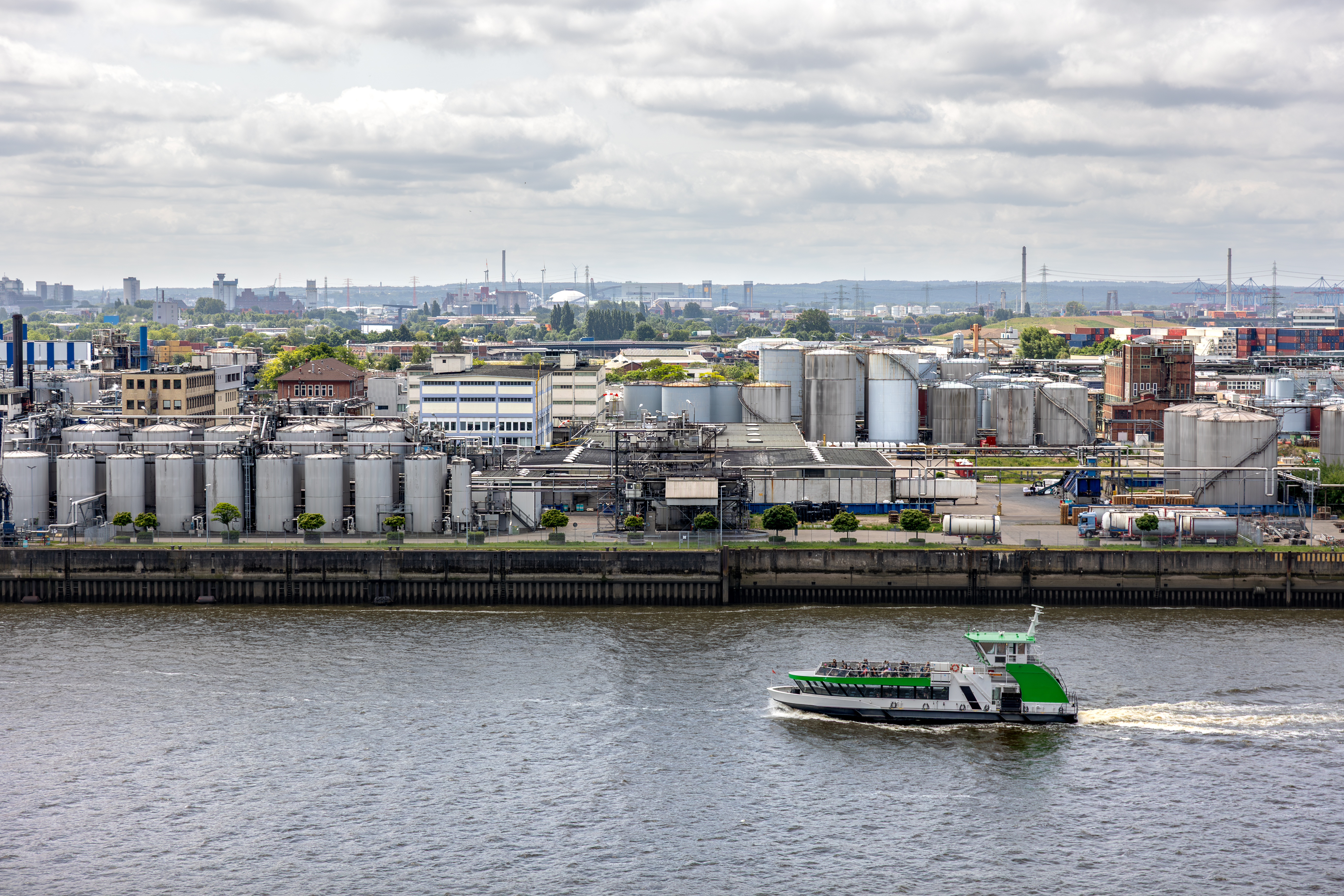
Galena Marine Terminal’s maritime shipping division operates a highly capable deep-water petroleum terminal and vessel management platform in Houston, Texas. Strategically located within one of the United States’ busiest energy and shipping corridors—and supported by a growing global terminal network—we deliver comprehensive maritime shipping services across the full spectrum of liquid bulk petroleum cargoes.
Our deep-water jetty infrastructure is purpose-built to accommodate the world’s largest tanker classes, with dual berths enabling simultaneous VLCC loading and discharge operations. Complemented by an offshore Single Point Mooring (SPM) system, our maritime capabilities extend well beyond the jetty.
All maritime operations are coordinated through our 24/7 marine operations center, staffed by experienced professionals with in-depth knowledge of U.S. port regulations, international maritime law, and the complex operational requirements of petroleum cargo logistics.
Full-spectrum maritime terminal services for oil tanker operators, charterers, and cargo owners.

Complete berth management services from vessel nomination through to departure — including pre-arrival planning, NOR tendering, draft surveys, and demurrage calculations for all tanker classes.
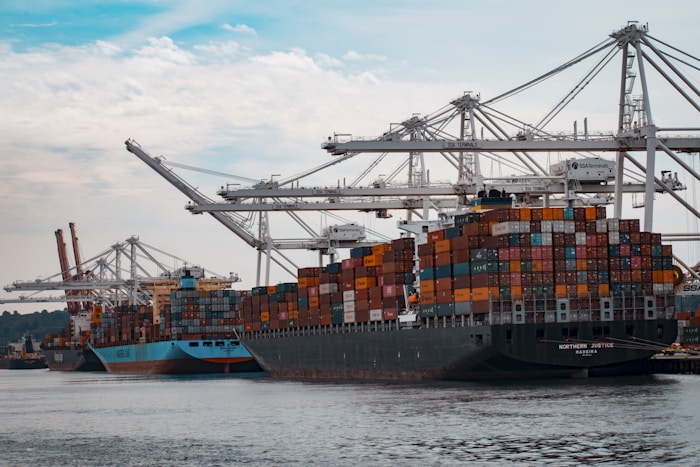
High-capacity marine loading arms and flexible hoses enabling crude oil and petroleum product transfers at sustained rates of up to 80,000 barrels per hour — minimising vessel port time and reducing demurrage exposure.
03Single Point Mooring buoy operations for VLCC and ULCC-class crude oil exports and imports in open-water conditions — enabling large-draft vessels that cannot berth at the conventional jetty to load and discharge safely.
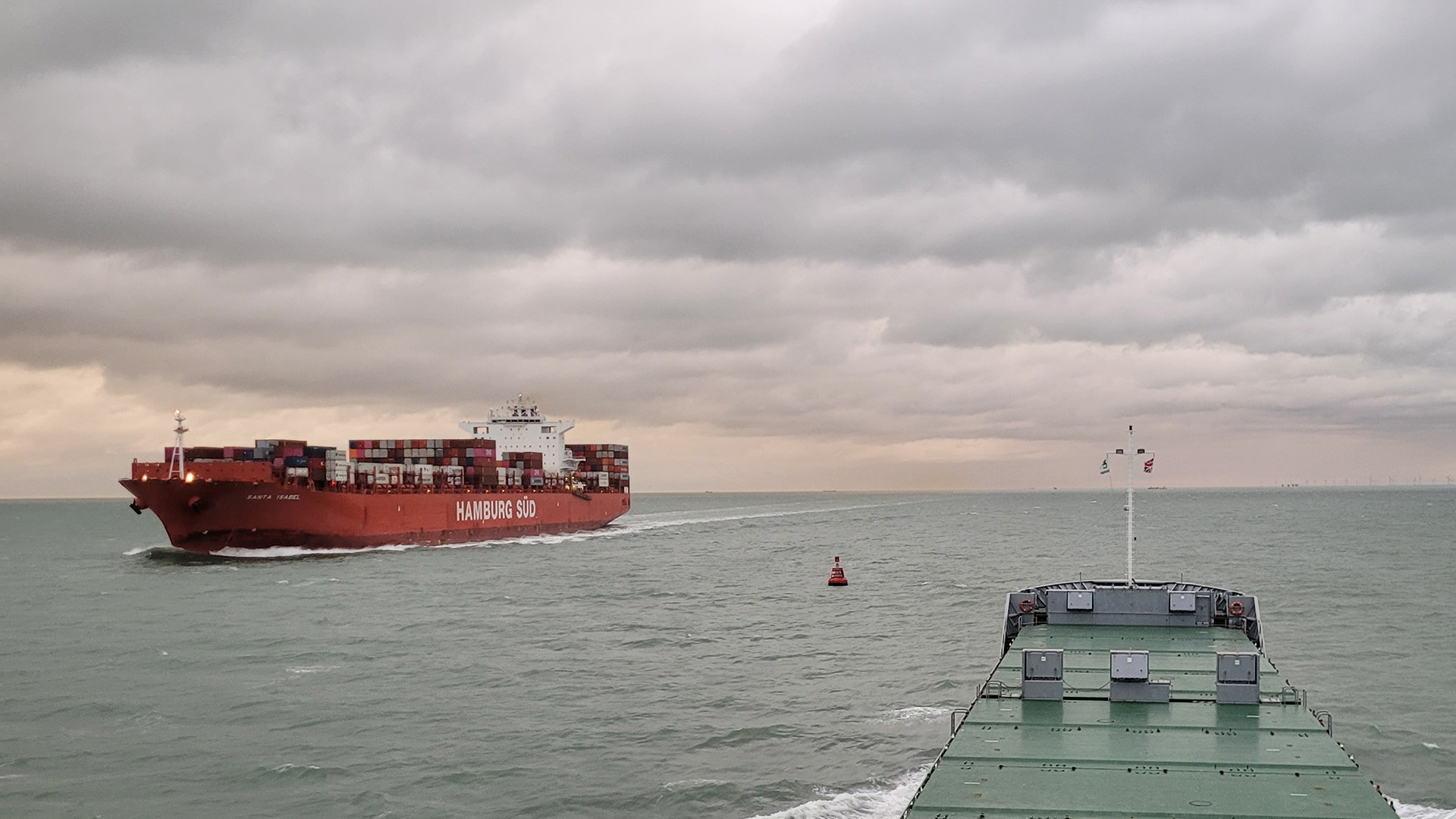
04Coordination of all port authority interactions, pilot embarkation and disembarkation, tug assistance, mooring gangs, and customs and immigration clearance — ensuring smooth vessel arrival and departure at all times.
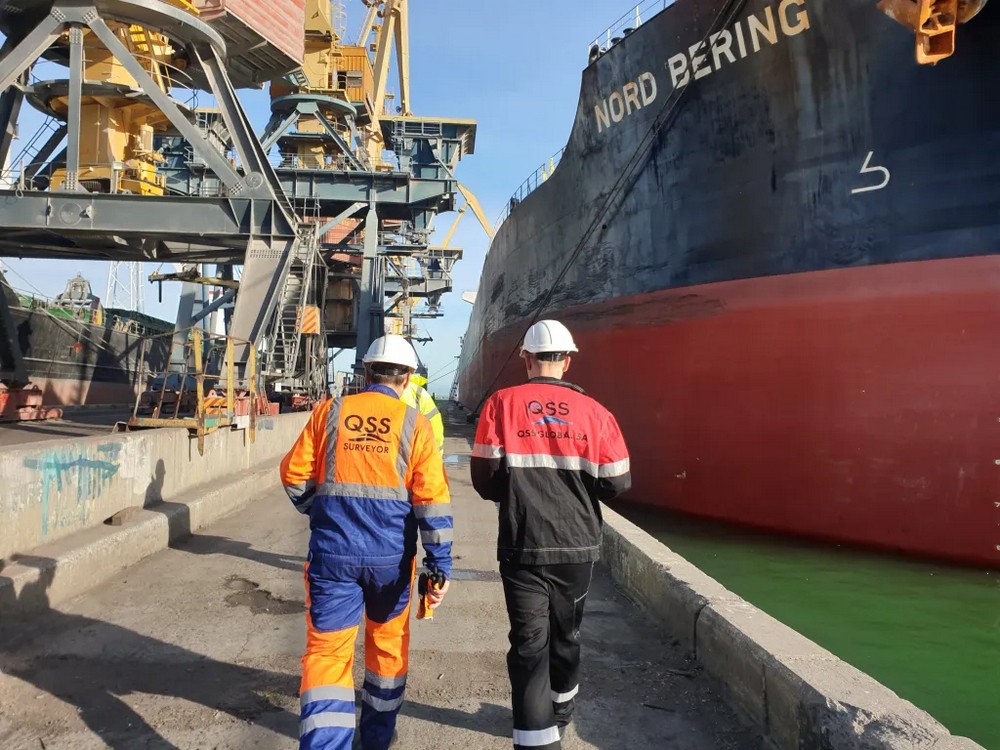
05Independent cargo quantity and quality inspection at vessel manifolds and shore tanks, including draft surveys, ullage measurements, temperature gauging, and sampling — with Certificates of Quantity and Quality issued for every cargo.
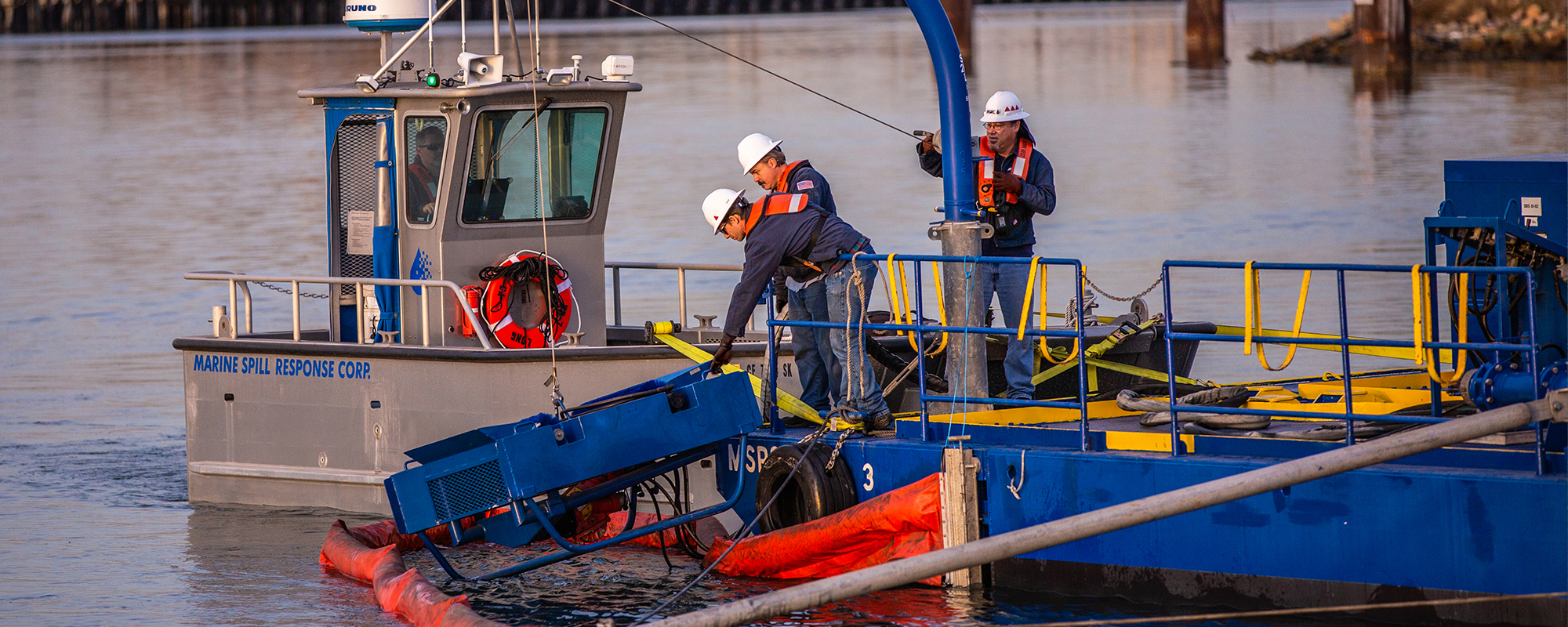
06Dedicated 24/7 marine emergency response capability — including oil spill containment and recovery, jetty fire suppression, and full coordination with relevant U.S. maritime and petroleum regulatory agencies in line with established incident response protocols.
Our terminal infrastructure is designed and maintained to receive all internationally recognised tanker classes — from coastal product tankers to the world's largest crude carriers.

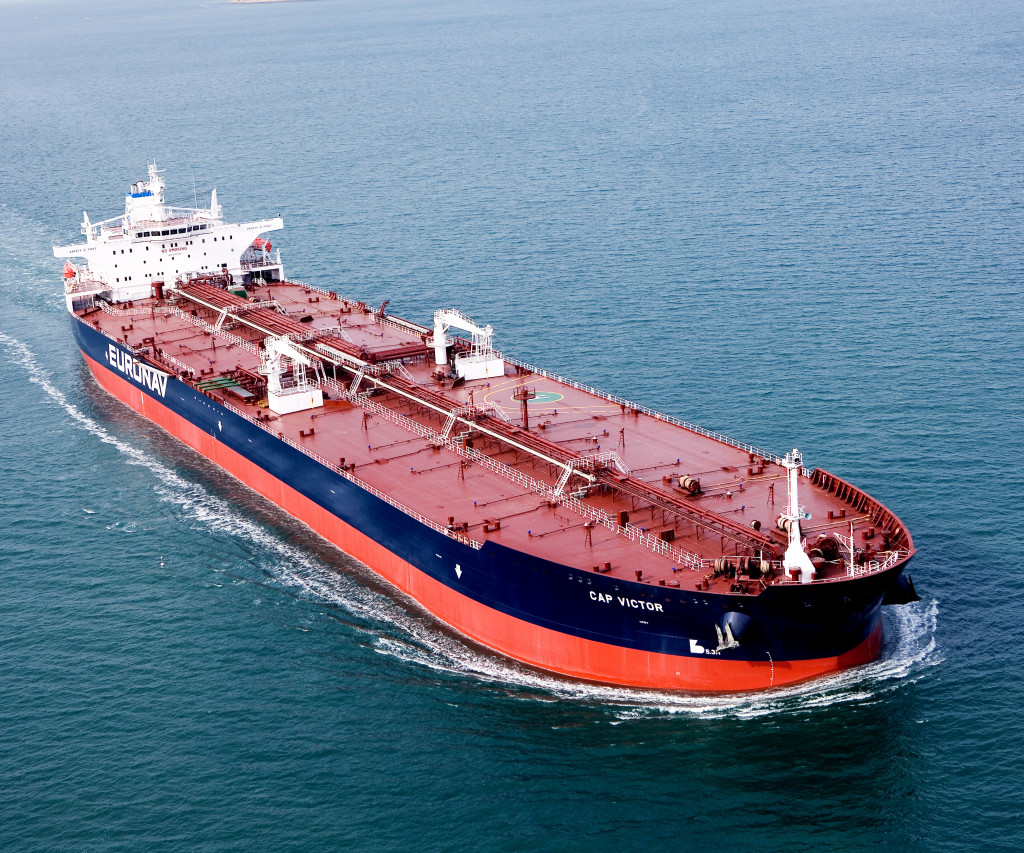
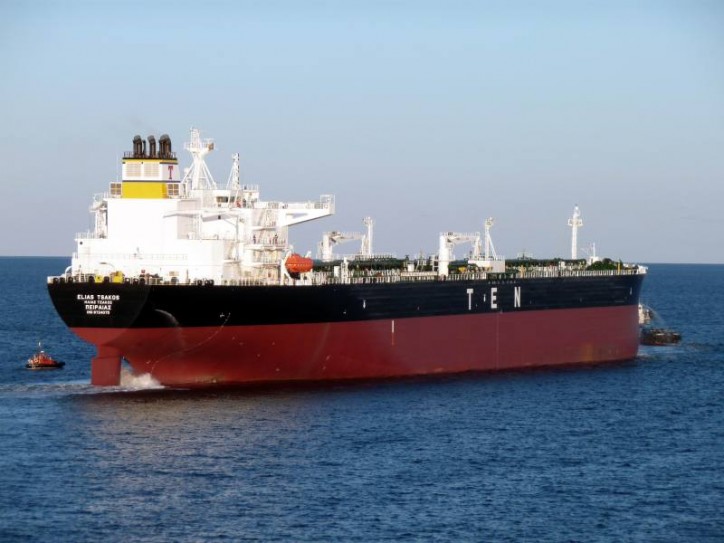
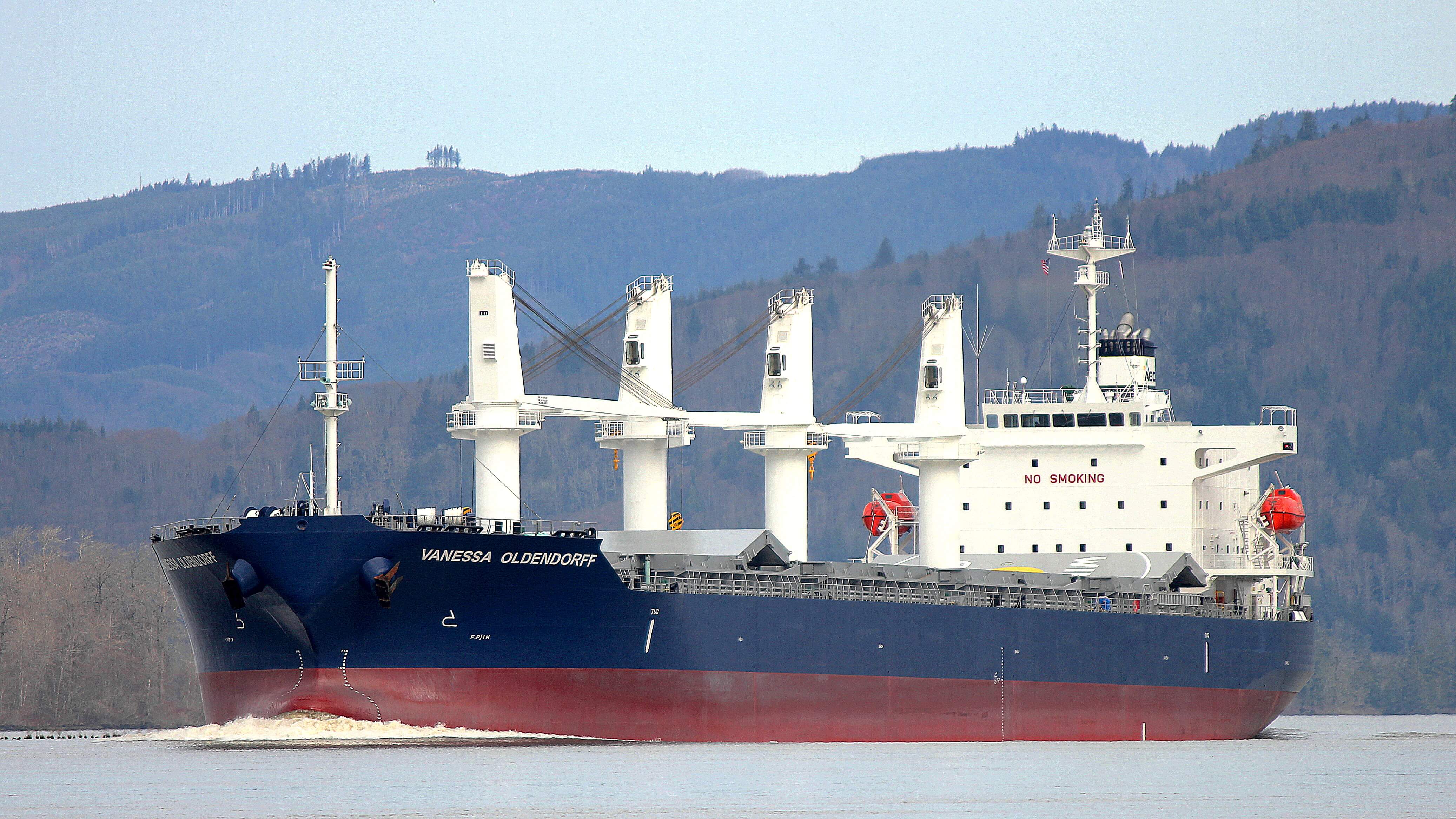
Jetty Operations
Our deep-water jetty complex serves as the core of Galena’s maritime shipping operations. Engineered to accommodate Suezmax-class vessels across dual berths with full simultaneous handling capability, the facility ranks among the highest-throughput petroleum cargo handling terminals in the United States outside major LNG hubs.
SPM Operations
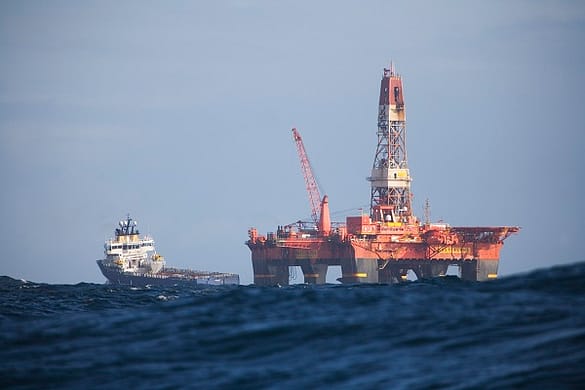
Our offshore Single Point Mooring (SPM) system extends Galena's maritime capabilities well beyond the jetty, enabling safe crude oil loading and discharge for VLCC and ULCC-class vessels operating in open-water conditions. The SPM is located 4.5 nautical miles offshore at a water depth of 32 metres.
The system is integrated with our onshore tank farm through a 4.5 km subsea pipeline and a 15 km surface-laid export line, ensuring continuous crude flow from storage to vessel. This configuration supports sustained high-volume transfer rates, making the SPM a highly efficient offshore loading solution within the Houston, Texas operational corridor.
A streamlined, transparent process from vessel nomination to departure — designed to minimise port time and maximise operational efficiency.
Charterer or operator nominates vessel. Galena's operations desk acknowledges NOR and provides pre-arrival checklist within 4 hours.
Customs, immigration, port health, and NPA clearances coordinated by our port liaison team. Pilot embarkation arranged 6 hours before ETA.
Vessel moored, hoses connected, and pre-transfer joint survey conducted by independent inspector and Galena cargo operator.
Transfer commences after safe working conditions confirmed. Continuous monitoring of flow rates, pressures, and cargo quality throughout the operation.
Bill of Lading, CoQ, CoA, and port clearance documents issued. Vessel clears berth — final time statement issued within 24 hours.
Galena Marine Terminal’s inland shipping division serves as a critical link between our terminal storage infrastructure in Houston, Texas, and key downstream petroleum markets across the United States—facilitating the efficient distribution of refined products to refineries, depot operators, industrial consumers, and retail fuel networks across diverse and logistically demanding inland regions.
Our integrated, multimodal distribution platform combines road tanker transportation, railcar logistics, and inland waterway barge operations into a unified, centrally managed system. Supported by high-capacity truck loading gantries capable of dispatching over 300 tanker loads per day, along with direct pipeline interconnectivity to major U.S. transmission networks, we deliver the scale, reliability, and throughput required by large-volume distributors and strategic off-takers.
All inland shipping operations are coordinated through a centralized dispatch control center, leveraging GPS-enabled fleet tracking, real-time cargo visibility, and electronic proof-of-delivery systems to ensure full supply chain transparency—from terminal gate to final delivery destination.
Comprehensive multimodal inland petroleum distribution — road, rail, barge, and pipeline.
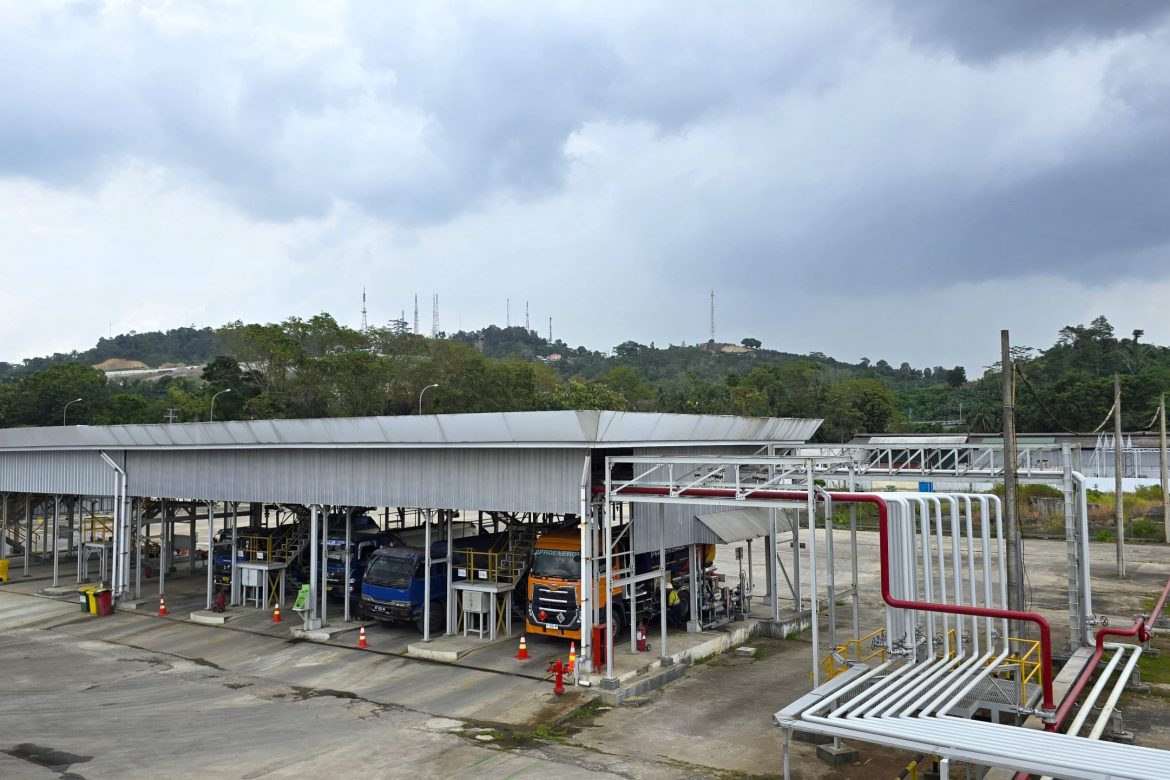
01Our 24-lane automated truck loading gantry is engineered for high-throughput operations, enabling the dispatch of more than 300 tanker loads per day to depots, industrial facilities, and retail fueling stations. The system is equipped with bottom-loading infrastructure and integrated overfill protection controls, ensuring rapid, accurate, and safe loading for every vehicle.
Dedicated rail siding equipped with top-loading and closed-loading petroleum wagon systems, designed to support large-scale product movement to inland depot complexes and refinery facilities that are not accessible via road transport. The facility offers direct connectivity to the national railway network, ensuring efficient and reliable bulk distribution.
Our barge loading operations support the movement of petroleum products to riverine and coastal communities across the Houston and the broader inland waterway network. The facility is capable of loading standard petroleum barges of up to 5,000 tonnes, with fully integrated metering systems and complete documentation to ensure accurate custody transfer and operational transparency.
04Our facility is directly connected to the national petroleum transmission network, enabling efficient high-volume product transfer to integrated downstream infrastructure. The SCADA-monitored pipeline export system supports continuous, controlled operations with peak throughput capacity exceeding 50,000 barrels per day (BPD), ensuring safe, reliable, and optimized product movement to connected facilitie
05Structured supply programmes for independent petroleum depot operators — including scheduled delivery contracts, consignment storage arrangements, and technical support for depot operations and metering calibration compliance with DPR requirements.
06Dedicated inland logistics capability supporting strategic petroleum reserve withdrawals and emergency fuel supply programs. The system is designed to assist U.S. petroleum authorities and energy agencies by enabling priority loading operations, secure storage handling, and fully tracked distribution across the national supply network during emergency response scenarios.
Road Distribution
At the core of our inland distribution capability is Nigeria's most technologically advanced petroleum truck loading facility. Our 24-lane automated gantry system operates around the clock, loading road tankers of all sizes with accurate metering, real-time volume recording, and automated batch control for every dispatch.
Waterway Distribution
Nigeria's extensive network of rivers, creeks, and coastal waterways — including the Niger River, Benue River, and the Niger Delta's intricate channel system — provides a natural distribution corridor that is often the only practical route for petroleum supply to riverine communities and remote industrial facilities.
Galena's barge loading facility is purpose-built for petroleum product loading onto inland waterway vessels, with a dedicated barge berth, shore metering, and full cargo documentation services. Our operations team coordinates closely with the Nigerian Inland Waterways Authority (NIWA) for compliant, safe barge movements throughout the distribution region.
A fully managed, documented, and tracked distribution process from the moment your product leaves our storage tanks to final delivery confirmation.
Client places delivery order via our online portal or commercial desk. Volume, product grade, destination, and delivery date confirmed within 2 hours.
Dispatch system allocates loading slot. Driver reports to terminal with valid Transporter Identification Number (TIN) and vehicle safety documents.
Vehicle is loaded via automated bottom-loading system with electronic meter reading. Electronic Delivery Order (EDO) generated and GPS tracking activated.
GPS tracking provides real-time vehicle location updates. Client portal reflects delivery status. Emergency dispatch coordination available if diversion required.
Delivery receipt signed at destination. Electronic confirmation transmitted to client portal. Monthly statement and compliance reports issued automatically.
Full compliance across all maritime operations
Round-the-clock marine & inland dispatch
Quality management across all operations
Full Department of Petroleum Resources compliance
Dedicated spill & incident response team on standby
All shipping operations, both maritime and inland, are executed under a robust regulatory and compliance structure designed to meet or exceed applicable international benchmarks as well as domestic regulatory requirements.
Compliance with the International Convention for the Prevention of Pollution from Ships (MARPOL), ensuring adherence to global standards for marine environmental protection, including waste reception, bilge water management, and oil spill response protocols at all marine terminals.
IMOFull compliance with the International Ship and Port Facility Security (ISPS) Code, with all marine terminals maintaining valid certification, appointed security officers, and approved security management plans to ensure port and vessel security.
IMO / ISPS CodeAll terminal, pipeline, and distribution operations in Houston, Texas are conducted in accordance with applicable U.S. federal and state regulatory requirements governing midstream and downstream petroleum activities.
U.S. RegulatoryMarine operations are carried out under the supervision of relevant U.S. maritime authorities, with strict adherence to vessel certification standards, safety regulations, and crew competency requirements.
U.S. MaritimeAll barge loading facilities and inland waterway operations are conducted in line with applicable U.S. inland waterways regulations and certification requirements governing safe and compliant vessel movements.
U.S. Inland WaterwayQuality and environmental management systems certified by Bureau Veritas — applied uniformly across all maritime and inland shipping operations globally.
InternationalWhether you are scheduling a vessel call, planning an inland distribution programme, or exploring long-term shipping logistics arrangements — our dedicated shipping operations team is ready to assist you 24 hours a day.